Coverage: Minnesota, Wisconsin, Michigan, Iowa, Illinois, Indiana, Missouri, North Dakota, South Dakota, Nebraska (eastern), Kansas (eastern), Kentucky (western), Arkansas, Mississippi, Louisiana, and Manitoba (Canada)
MISO covers three distinct climate regimes in one footprint. The northern tier (Minnesota, North Dakota) faces brutal Canadian-origin cold waves and significant heating demand. The central corridor (Illinois, Indiana, Iowa) experiences tornado/severe weather risk in spring and hot humid summers. The southern tier (Louisiana, Mississippi, Arkansas) is Gulf-influenced with high summer humidity and mild winters. MISO is a wind energy powerhouse — Iowa generates over 50% of its electricity from wind. The diverse generation mix includes nuclear (Illinois), coal (Indiana), and natural gas throughout.
Temperature Forecast
Observed and forecast temperature maps, anomalies, and degree-day accumulations.
Temperature normals based on NOAA 1991–2020 U.S. Climate Normals.
Precipitation Chance
Quantitative precipitation estimates, totals, and probabilistic outlooks across the region.
Data from NWS API. Auto-refreshes every 4 hours. Shows all available forecast days from NWS and extended gridpoint data.
Flood Watch issued September 30 at 7:02AM CDT until October 2 at 1:00AM CDT by NWS Kansas City/Pleasant Hill MO
Doniphan; Atchison; Nodaway; Worth; Gentry; Harrison; Holt; Andrew
Expires: 9/30/2026, 8:15:00 PM
Flood Watch issued September 30 at 7:02AM CDT until October 2 at 1:00AM CDT by NWS Kansas City/Pleasant Hill MO
Atchison; Mercer; Putnam; Schuyler; De Kalb; Daviess; Grundy; Sullivan; Adair; Buchanan
Expires: 9/30/2026, 8:15:00 PM
Rip Current Statement issued September 30 at 6:38AM CDT until October 1 at 12:00PM CDT by NWS Houston/Galveston TX
Matagorda Islands; Brazoria Islands; Galveston Island; Bolivar Peninsula
Expires: 10/1/2026, 11:45:00 AM
Dense Fog Advisory issued September 30 at 6:32AM CDT until September 30 at 10:00AM CDT by NWS Sioux Falls SD
Dickinson; Clay; Buena Vista; Ida
Expires: 9/30/2026, 3:00:00 PM
Dense Fog Advisory issued September 30 at 6:32AM CDT until September 30 at 10:00AM CDT by NWS Sioux Falls SD
Lyon; Osceola; Sioux; O'Brien; Plymouth; Cherokee; Woodbury; Lincoln; Lyon; Murray; Cottonwood; Nobles; Jackson; Pipestone; Rock; Dixon; Dakota; Beadle; Kingsbury; Brookings; Gregory; Jerauld; Sanborn; Miner; Lake; Moody; Brule; Aurora; Davison; Hanson; McCook; Minnehaha; Charles Mix; Douglas; Hutchinson; Turner; Lincoln; Bon Homme; Yankton; Clay; Union
Expires: 9/30/2026, 3:00:00 PM
Special Weather Statement issued September 30 at 6:00AM CDT by NWS Des Moines IA
Emmet; Kossuth; Winnebago; Worth; Palo Alto; Hancock; Cerro Gordo; Pocahontas; Humboldt; Wright; Franklin; Sac; Calhoun; Webster; Hamilton; Hardin; Greene; Boone; Story
Expires: 9/30/2026, 1:00:00 PM
Beach Hazards Statement issued September 30 at 5:59AM CDT until September 30 at 10:00PM CDT by NWS Milwaukee/Sullivan WI
Sheboygan
Expires: 9/30/2026, 7:00:00 PM
Dense Fog Advisory issued September 30 at 4:53AM CDT until September 30 at 10:00AM CDT by NWS Twin Cities/Chanhassen MN
Todd; Stearns; Meeker; Wright; McLeod; Sibley; Nicollet
Expires: 9/30/2026, 3:00:00 PM
Dense Fog Advisory issued September 30 at 4:53AM CDT until September 30 at 10:00AM CDT by NWS Twin Cities/Chanhassen MN
Douglas; Stevens; Pope; Lac Qui Parle; Swift; Chippewa; Kandiyohi; Yellow Medicine; Renville; Redwood; Brown
Expires: 9/30/2026, 3:00:00 PM
Flood Watch issued September 30 at 4:40AM CDT until October 2 at 7:00AM CDT by NWS Fort Worth TX
Montague; Cooke; Grayson; Fannin; Young; Jack; Wise; Denton; Collin; Hunt; Stephens; Palo Pinto; Parker; Tarrant; Dallas; Rockwall; Kaufman; Eastland; Erath; Hood; Somervell; Johnson; Ellis; Comanche; Mills; Hamilton; Bosque; Hill; Navarro; Lampasas; Coryell; Bell; McLennan; Falls; Limestone; Milam
Expires: 9/30/2026, 9:00:00 PM
Hydrologic Outlook issued September 30 at 3:59AM CDT by NWS Chicago IL
Boone, IL; Cook, IL; De Kalb, IL; DuPage, IL; Grundy, IL; Kane, IL; Kendall, IL; Lake, IL; La Salle, IL; Lee, IL; McHenry, IL; Ogle, IL; Will, IL; Winnebago, IL; Lake, IN; Porter, IN
Expires: 9/30/2026, 8:00:00 PM
Beach Hazards Statement issued September 30 at 3:00AM CDT until October 1 at 4:00AM CDT by NWS Green Bay WI
Door; Kewaunee; Manitowoc
Expires: 9/30/2026, 4:00:00 PM
Beach Hazards Statement issued September 30 at 3:02AM EDT until September 30 at 8:00PM EDT by NWS Marquette MI
Southern Schoolcraft
Expires: 10/1/2026, 12:00:00 AM
Dense Fog Advisory issued September 30 at 1:50AM CDT until September 30 at 10:00AM CDT by NWS Aberdeen SD
Spink; Clark; Codington; Hamlin; Deuel; Hyde; Hand; Buffalo
Expires: 9/30/2026, 3:00:00 PM
Flood Watch issued September 30 at 1:46AM CDT until October 2 at 1:00AM CDT by NWS Quad Cities IA IL
Benton; Linn; Jones; Jackson; Iowa; Johnson; Cedar; Clinton; Muscatine; Scott; Keokuk; Washington; Louisa; Jefferson; Henry; Des Moines; Van Buren; Carroll; Whiteside; Rock Island; Henry; Mercer
Expires: 10/1/2026, 7:00:00 AM
Beach Hazards Statement issued September 30 at 2:42AM EDT until October 1 at 8:00AM EDT by NWS Grand Rapids MI
Ottawa
Expires: 9/30/2026, 2:45:00 PM
Beach Hazards Statement issued September 30 at 2:42AM EDT until October 1 at 8:00AM EDT by NWS Grand Rapids MI
Mason; Oceana; Muskegon
Expires: 9/30/2026, 2:45:00 PM
Flood Watch issued September 30 at 1:42AM CDT until October 2 at 1:00AM CDT by NWS Des Moines IA
Humboldt; Wright; Franklin; Butler; Bremer; Sac; Calhoun; Webster; Hamilton; Hardin; Grundy; Black Hawk; Crawford; Carroll; Greene; Boone; Story; Marshall; Tama; Audubon; Guthrie; Dallas; Polk; Jasper; Poweshiek; Cass; Adair; Madison; Warren; Marion; Mahaska; Adams; Union; Clarke; Lucas; Monroe; Wapello; Taylor; Ringgold; Decatur; Wayne; Appanoose; Davis
Expires: 10/1/2026, 2:45:00 AM
Beach Hazards Statement issued September 30 at 2:21AM EDT until September 30 at 8:00PM EDT by NWS Gaylord MI
Benzie; Manistee; Western Mackinac; Eastern Mackinac; Beaver Island and surrounding islands
Expires: 9/30/2026, 2:30:00 PM
Flood Watch issued September 30 at 12:46AM CDT until October 1 at 7:00PM CDT by NWS Omaha/Valley NE
Harrison; Shelby; Pottawattamie; Mills; Montgomery; Fremont; Page; Dodge; Washington; Butler; Saunders; Douglas; Sarpy; Seward; Lancaster; Cass; Otoe; Saline; Jefferson; Gage; Johnson; Nemaha; Pawnee; Richardson
Expires: 10/2/2026, 12:00:00 AM
Rip Current Statement issued September 29 at 11:54PM CDT until October 4 at 12:00AM CDT by NWS Mobile AL
Mobile Coastal; Baldwin Coastal; Escambia Coastal; Santa Rosa Coastal; Okaloosa Coastal
Expires: 9/30/2026, 1:00:00 PM
Flood Watch issued September 29 at 9:54PM CDT until October 1 at 3:00PM CDT by NWS Quad Cities IA IL
Johnson; Washington
Expires: 10/1/2026, 3:00:00 AM
Flood Watch issued September 29 at 9:54PM CDT until October 1 at 3:00PM CDT by NWS Quad Cities IA IL
Keokuk
Expires: 10/1/2026, 3:00:00 AM
Flood Warning issued September 29 at 9:45PM CDT until October 3 at 3:00AM CDT by NWS Quad Cities IA IL
Clinton, IA; Scott, IA
Expires: 10/1/2026, 2:45:00 AM
Flood Watch issued September 29 at 5:47PM CDT until October 2 at 7:00PM CDT by NWS Austin/San Antonio TX
Llano; Burnet; Williamson; Val Verde; Edwards; Real; Kerr; Bandera; Gillespie; Kendall; Blanco; Hays; Travis; Bastrop; Kinney; Uvalde; Medina; Bexar; Comal; Guadalupe; Caldwell; Maverick; Zavala; Frio; Atascosa; Wilson; Gonzales; Dimmit
Expires: 9/30/2026, 8:15:00 PM
Life-safety notice: Weather Workbench is informational only. Always verify life-safety decisions against your local NWS forecast office at weather.gov.
| Metric | Actual | Normal | Departure |
|---|---|---|---|
| CDD | 1591.0 | 1142.9 | +448.1 |
| HDD | 2995.2 | 3215.0 | -219.8 |
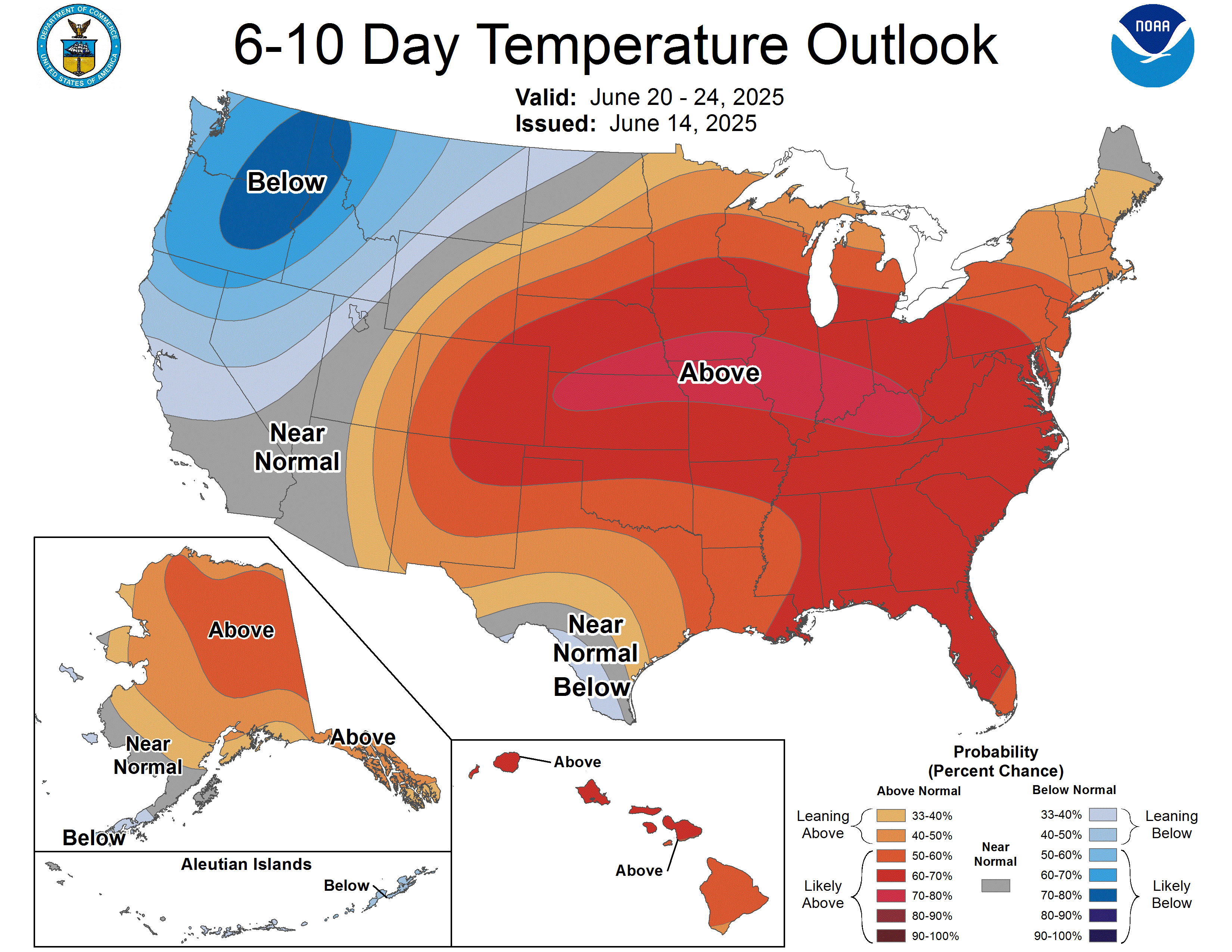
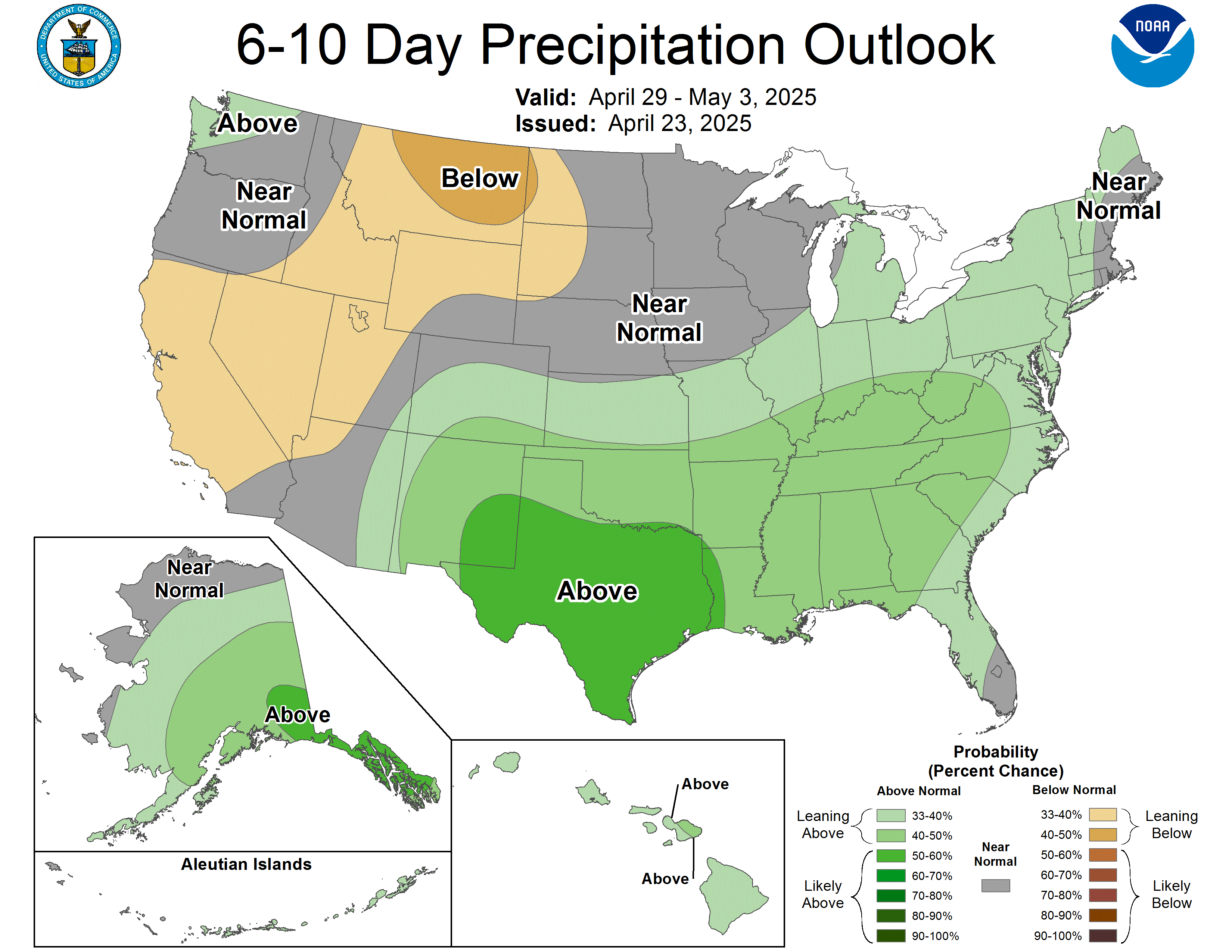
Source: NOAA Climate Prediction Center
Short- and medium-range weather outlooks from official and model-based forecast products.

Live and looping NEXRAD radar imagery showing current precipitation and storm structure.
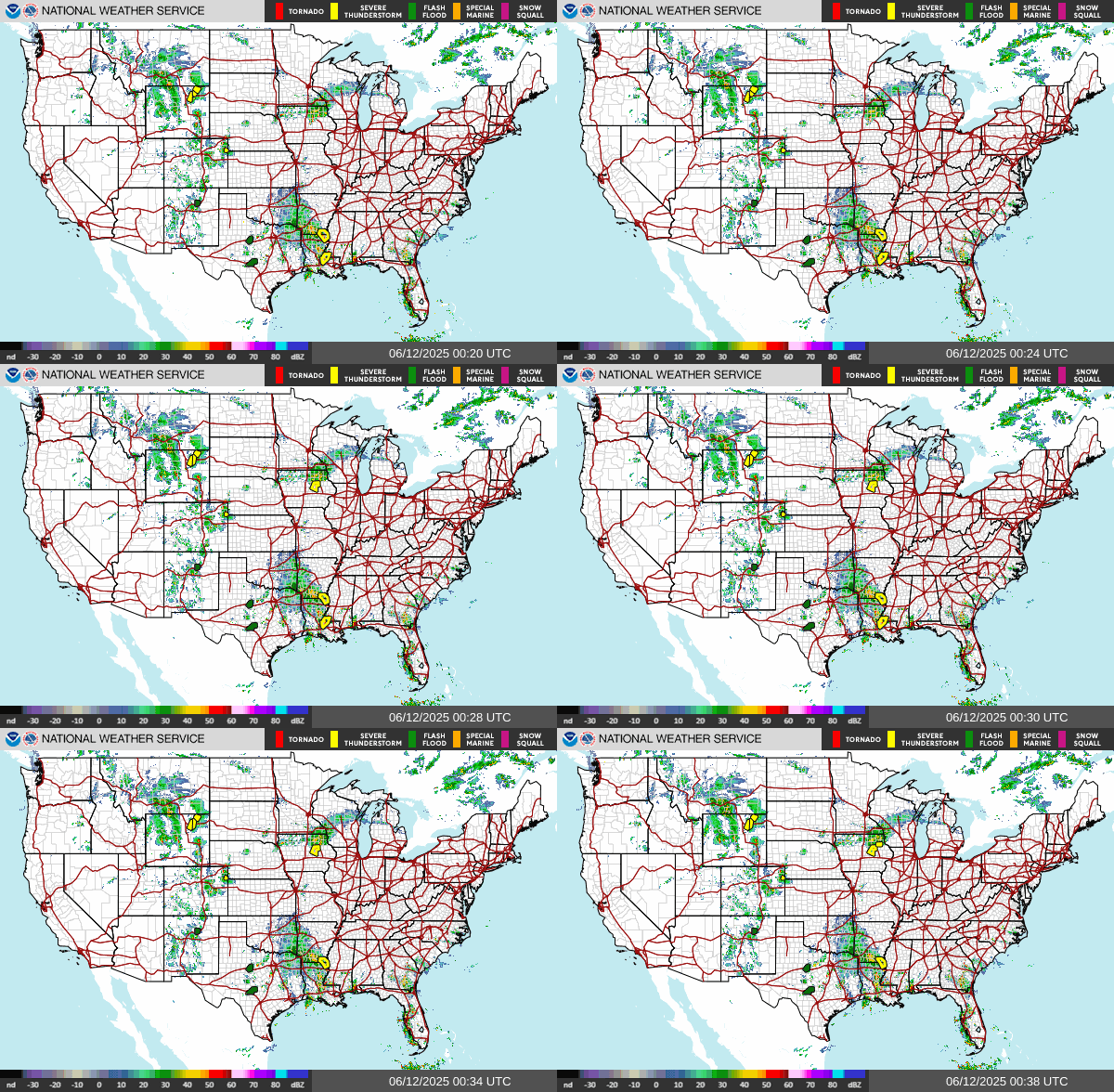
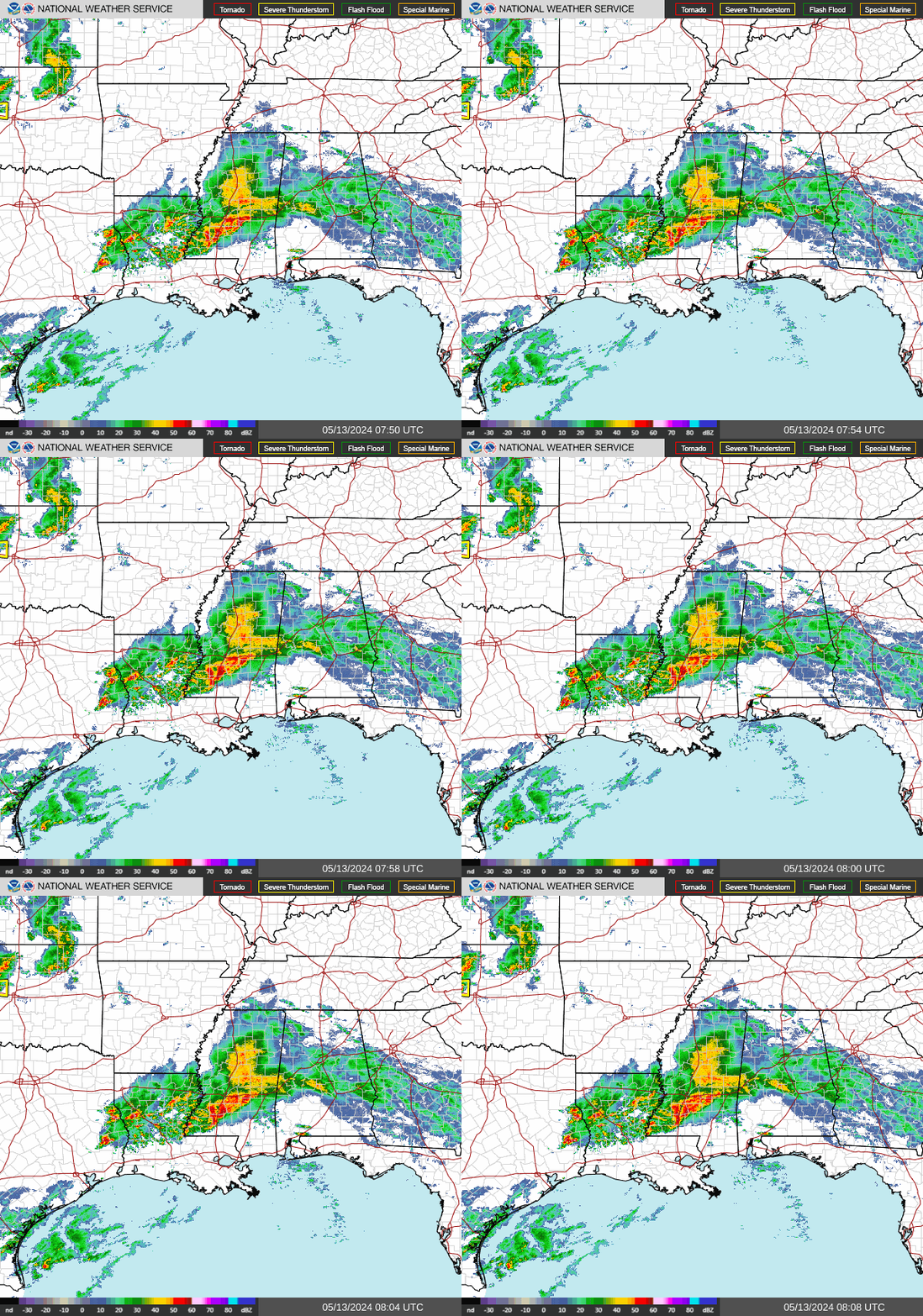
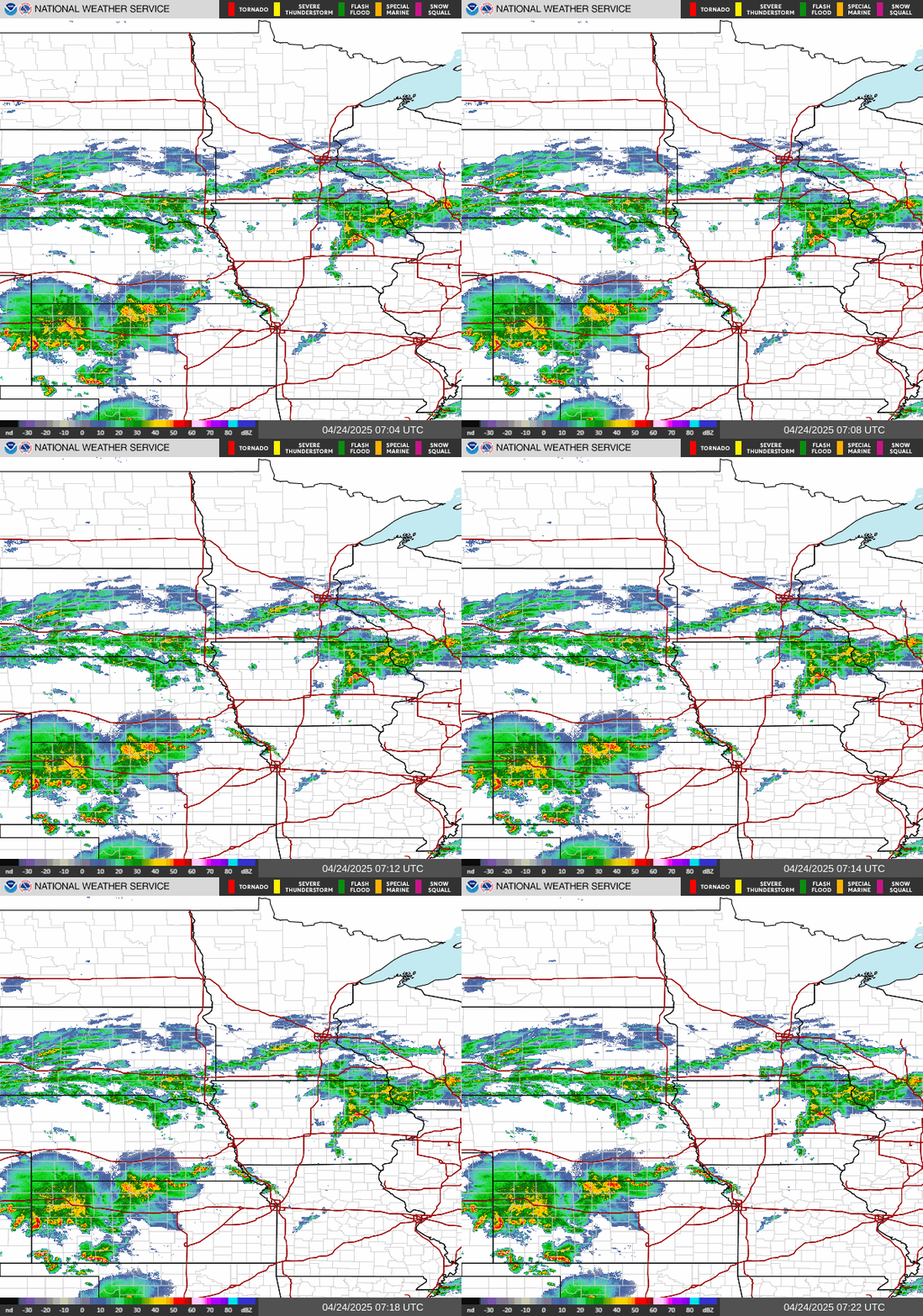
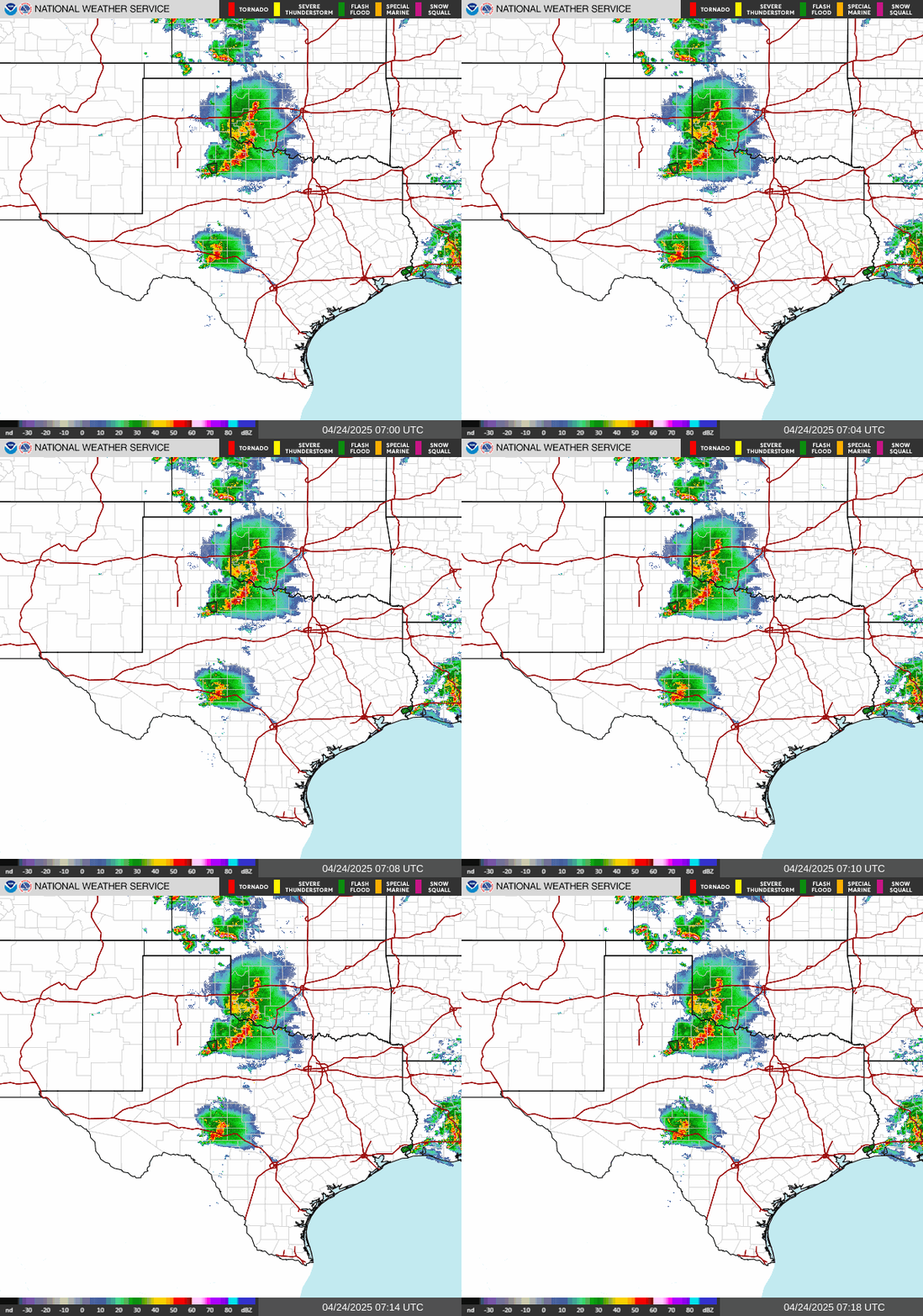

GOES satellite imagery capturing cloud cover, moisture, and convective activity.


NHC track forecasts, storm outlooks, and tropical satellite imagery for active and potential cyclones.


Numerical weather prediction output from GFS, NAM, ECMWF, and other operational models.
Raw GRIB2 data feeds and gridded analysis products for downstream processing.
Synoptic surface charts depicting fronts, pressure systems, and analyzed weather boundaries.
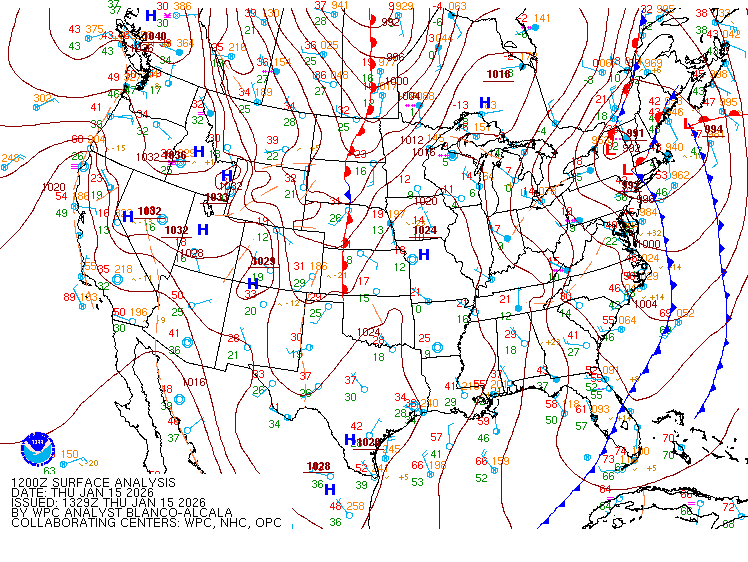
Weekly U.S. Drought Monitor classifications and long-range moisture deficit trends.

MISO (Midcontinent Independent System Operator) — Frequently Asked Questions
Background on the MISO footprint, the weather drivers that shape its grid, and the National Weather Service alerts that signal stress on the system.
All Sources for MISO
We use cookies for analytics and to show ads from Google. You can accept all cookies or reject non-essential ones. See our Privacy Policy for details.