Coverage: New York State (all 11 load zones, A–K, from western upstate through Long Island and New York City)
New York City (Zones J and K) is the nation's largest urban heat island, driving massive summer cooling loads that stress the downstate transmission system. Western New York (Zone A) sits in the lake-effect snow belt of Lakes Ontario and Erie, where lake-effect storms can dump several feet of snow within hours. Upstate New York hosts significant hydroelectric capacity at Niagara and the St. Lawrence River. The state has an aggressive offshore wind build-out underway along the Atlantic coast. The transmission interface between upstate and downstate New York is one of the most congested in the eastern grid.
Temperature Forecast
Observed and forecast temperature maps, anomalies, and degree-day accumulations.
Temperature normals based on NOAA 1991–2020 U.S. Climate Normals.
Precipitation Chance
Quantitative precipitation estimates, totals, and probabilistic outlooks across the region.
Data from NWS API. Auto-refreshes every 4 hours. Shows all available forecast days from NWS and extended gridpoint data.
Life-safety notice: Weather Workbench is informational only. Always verify life-safety decisions against your local NWS forecast office at weather.gov.
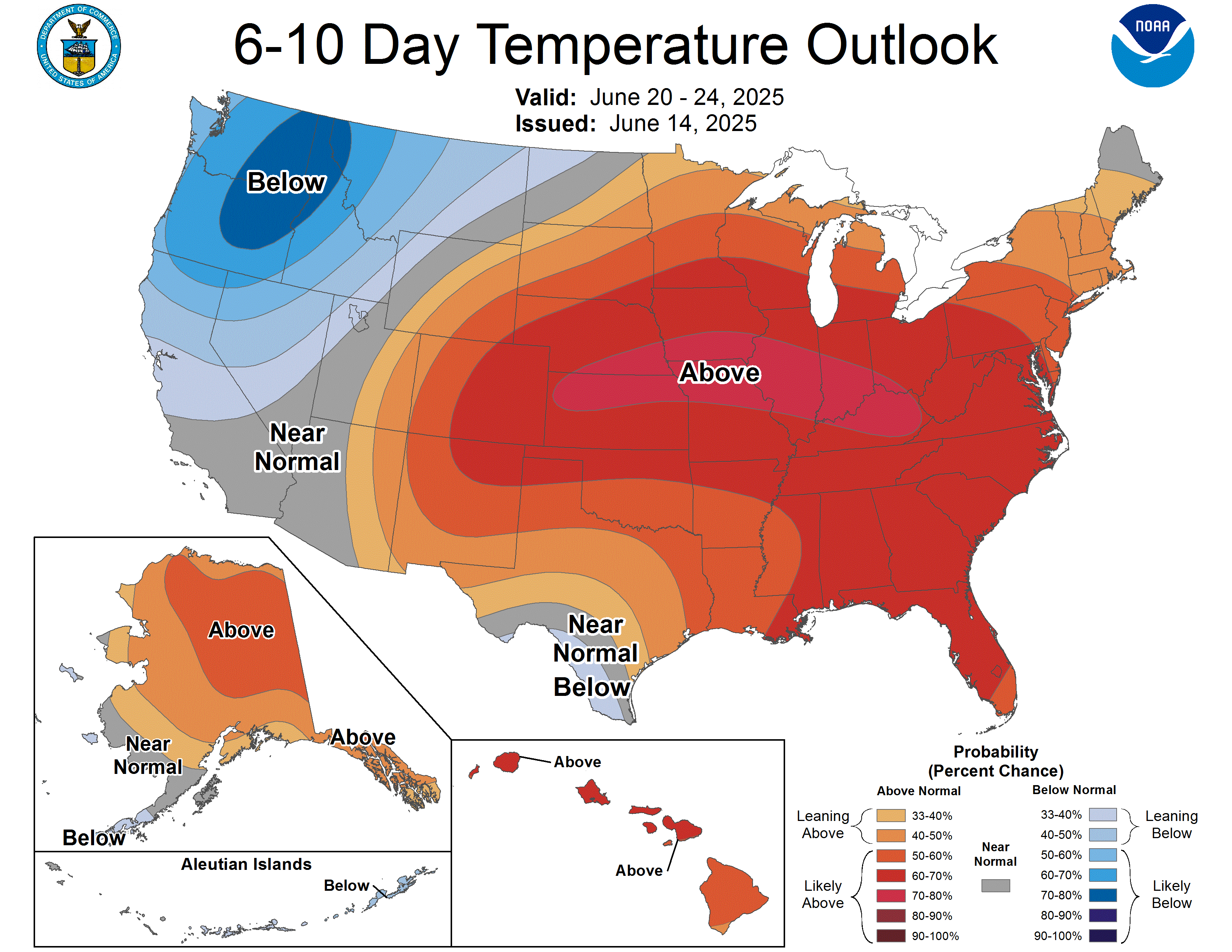
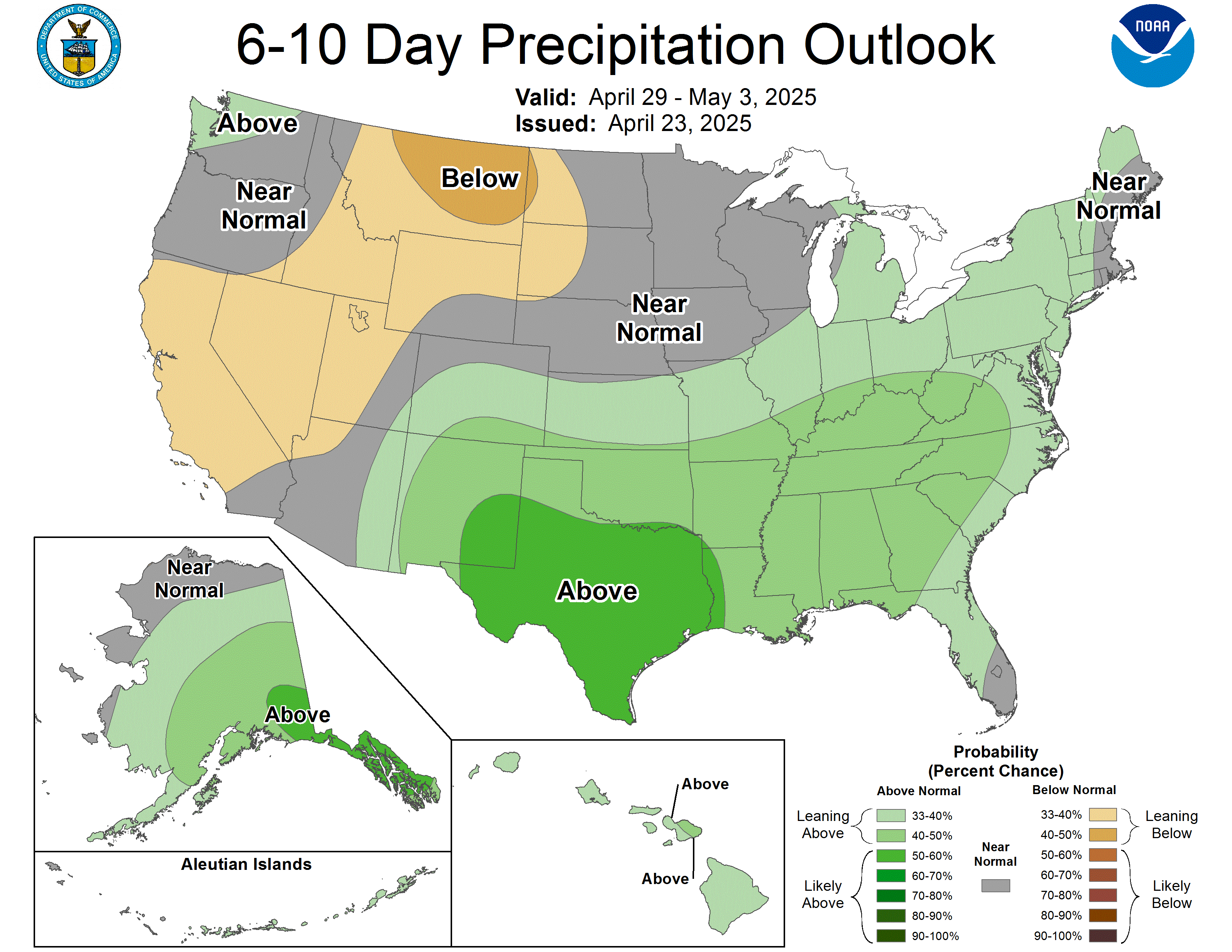
Source: NOAA Climate Prediction Center
NYISO — Frequently Asked Questions
Background on the NYISO footprint, the weather drivers that shape its grid, and the National Weather Service alerts that signal stress on the system.
We use cookies for analytics and to show ads from Google. You can accept all cookies or reject non-essential ones. See our Privacy Policy for details.