Coverage: Delaware, Illinois, Indiana, Kentucky, Maryland, Michigan, New Jersey, North Carolina (western portion), Ohio, Pennsylvania, Tennessee (eastern portion), Virginia, West Virginia, and the District of Columbia
PJM is the world's largest competitive wholesale electricity market by load, serving over 65 million people. The Appalachian Mountains create a weather divide — the Ohio Valley and Great Lakes corridor experience hot humid summers and cold winters with major snowstorm potential, while the Mid-Atlantic seaboard is moderated by Atlantic coastal influence. PJM contains the densest concentration of natural gas and nuclear generation capacity in the nation. The region is navigating rapid coal retirement while managing winter cold-weather reliability as generation margins tighten.
Temperature Forecast
Observed and forecast temperature maps, anomalies, and degree-day accumulations.
Temperature normals based on NOAA 1991–2020 U.S. Climate Normals.
Precipitation Chance
Quantitative precipitation estimates, totals, and probabilistic outlooks across the region.
Data from NWS API. Auto-refreshes every 4 hours. Shows all available forecast days from NWS and extended gridpoint data.
Montgomery
Expires: 9/30/2026, 12:13:09 PM
Special Weather Statement issued September 30 at 7:11AM EDT by NWS Raleigh NC
Person; Granville; Vance; Warren; Halifax; Forsyth; Guilford; Alamance; Orange; Durham; Franklin; Nash; Edgecombe; Wake; Wilson
Expires: 9/30/2026, 1:00:00 PM
Special Weather Statement issued September 30 at 6:34AM EDT by NWS Blacksburg VA
Ashe; Alleghany; Watauga; Tazewell; Smyth; Bland; Giles; Wythe; Pulaski; Montgomery; Grayson; Carroll; Floyd; Craig; Alleghany; Bath; Roanoke; Botetourt; Rockbridge; Patrick; Franklin; Bedford; Amherst; Henry; Pittsylvania; Campbell; Halifax; Mercer; Summers; Monroe; Eastern Greenbrier; Western Greenbrier
Expires: 9/30/2026, 1:45:00 PM
Special Weather Statement issued September 30 at 5:25AM EDT by NWS Wilmington OH
Lewis; Ross; Hocking; Pike; Scioto
Expires: 9/30/2026, 12:30:00 PM
Dense Fog Advisory issued September 30 at 5:14AM EDT until September 30 at 9:00AM EDT by NWS State College PA
Warren; McKean; Potter; Elk; Cameron; Clearfield
Expires: 9/30/2026, 1:00:00 PM
Special Weather Statement issued September 30 at 5:10AM EDT by NWS Binghamton NY
Northern Oneida; Yates; Seneca; Southern Cayuga; Onondaga; Steuben; Schuyler; Chemung; Tompkins; Madison; Southern Oneida; Cortland; Chenango; Otsego; Tioga; Broome; Delaware; Sullivan; Bradford; Susquehanna; Northern Wayne; Wyoming; Lackawanna; Luzerne; Pike; Southern Wayne
Expires: 9/30/2026, 1:00:00 PM
Hydrologic Outlook issued September 30 at 3:59AM CDT by NWS Chicago IL
Boone, IL; Cook, IL; De Kalb, IL; DuPage, IL; Grundy, IL; Kane, IL; Kendall, IL; Lake, IL; La Salle, IL; Lee, IL; McHenry, IL; Ogle, IL; Will, IL; Winnebago, IL; Lake, IN; Porter, IN
Expires: 9/30/2026, 8:00:00 PM
Special Weather Statement issued September 30 at 4:57AM EDT by NWS Pittsburgh PA
Tuscarawas; Carroll; Columbiana; Coshocton; Harrison; Jefferson; Muskingum; Guernsey; Belmont; Noble; Monroe; Mercer; Venango; Forest; Lawrence; Butler; Clarion; Jefferson; Beaver; Allegheny; Armstrong; Washington; Greene; Westmoreland; Westmoreland Ridges; Fayette; Fayette Ridges; Indiana; Higher Elevations of Indiana; Hancock; Brooke; Ohio; Marshall; Wetzel; Marion; Monongalia; Ridges of Eastern Monongalia and Northwestern Preston; Preston; Eastern Preston; Western Tucker; Eastern Tucker
Expires: 9/30/2026, 1:00:00 PM
Special Weather Statement issued September 30 at 2:10AM EDT by NWS Jackson KY
Fleming; Montgomery; Bath; Rowan; Estill; Powell; Menifee; Rockcastle; Jackson; Pulaski; Laurel; Wayne; McCreary; Whitley; Knox; Bell; Harlan; Elliott; Morgan; Johnson; Wolfe; Magoffin; Floyd; Lee; Breathitt; Knott; Owsley; Perry; Clay; Leslie; Letcher; Martin; Pike
Expires: 9/30/2026, 1:15:00 PM
Life-safety notice: Weather Workbench is informational only. Always verify life-safety decisions against your local NWS forecast office at weather.gov.
| Metric | Actual | Normal | Departure |
|---|---|---|---|
| CDD | 1436.1 | 1170.6 | +265.5 |
| HDD | 2952.6 | 2836.3 | +116.3 |
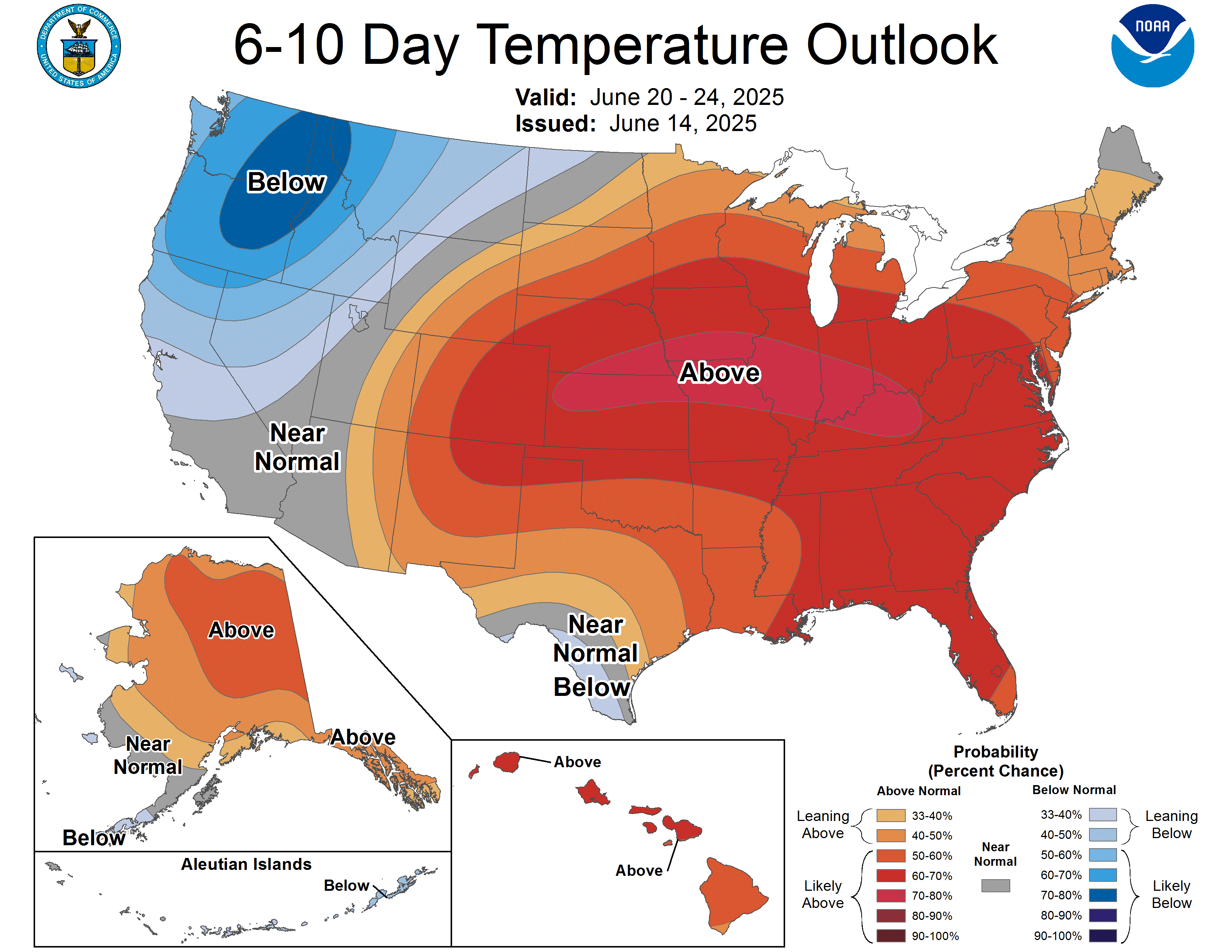
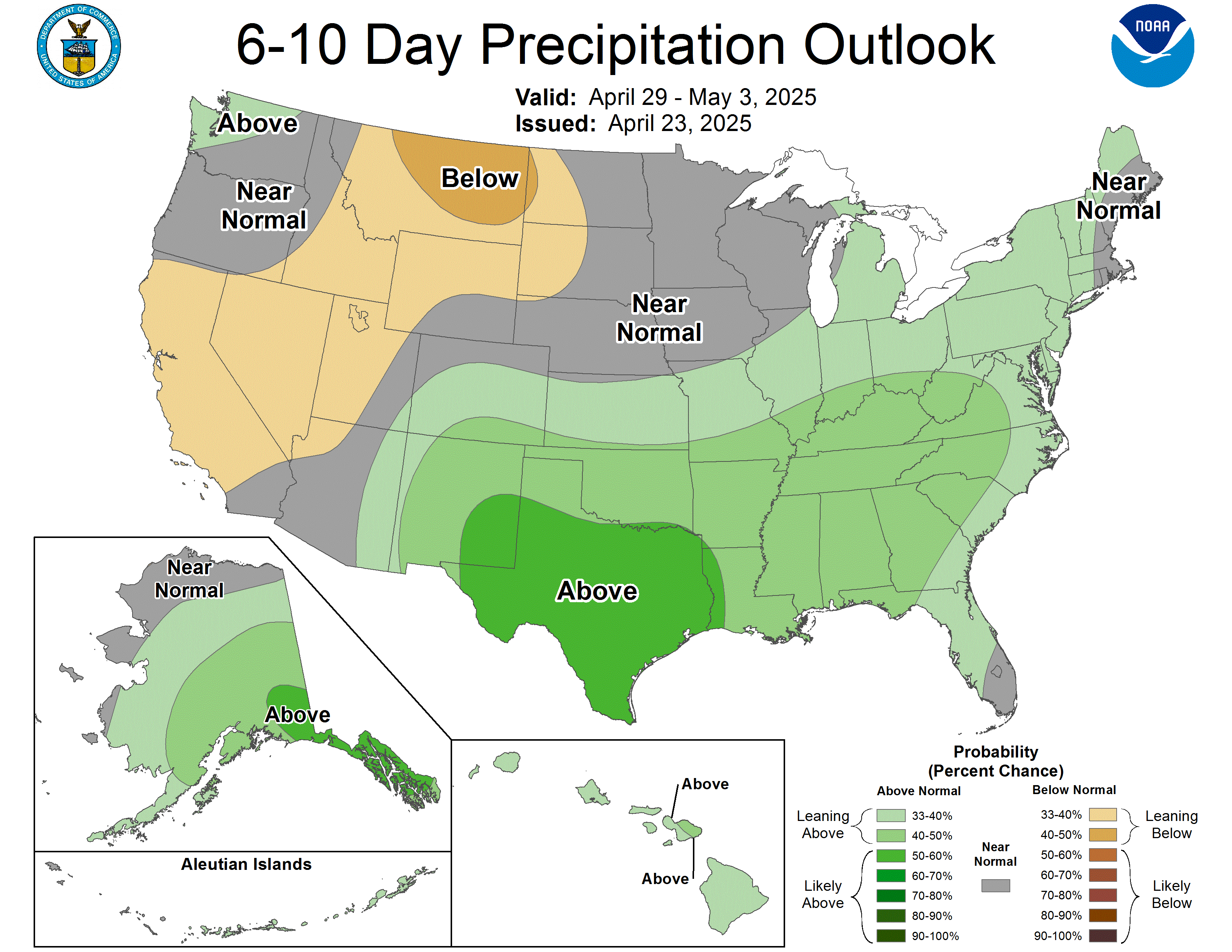
Source: NOAA Climate Prediction Center
Short- and medium-range weather outlooks from official and model-based forecast products.

Live and looping NEXRAD radar imagery showing current precipitation and storm structure.
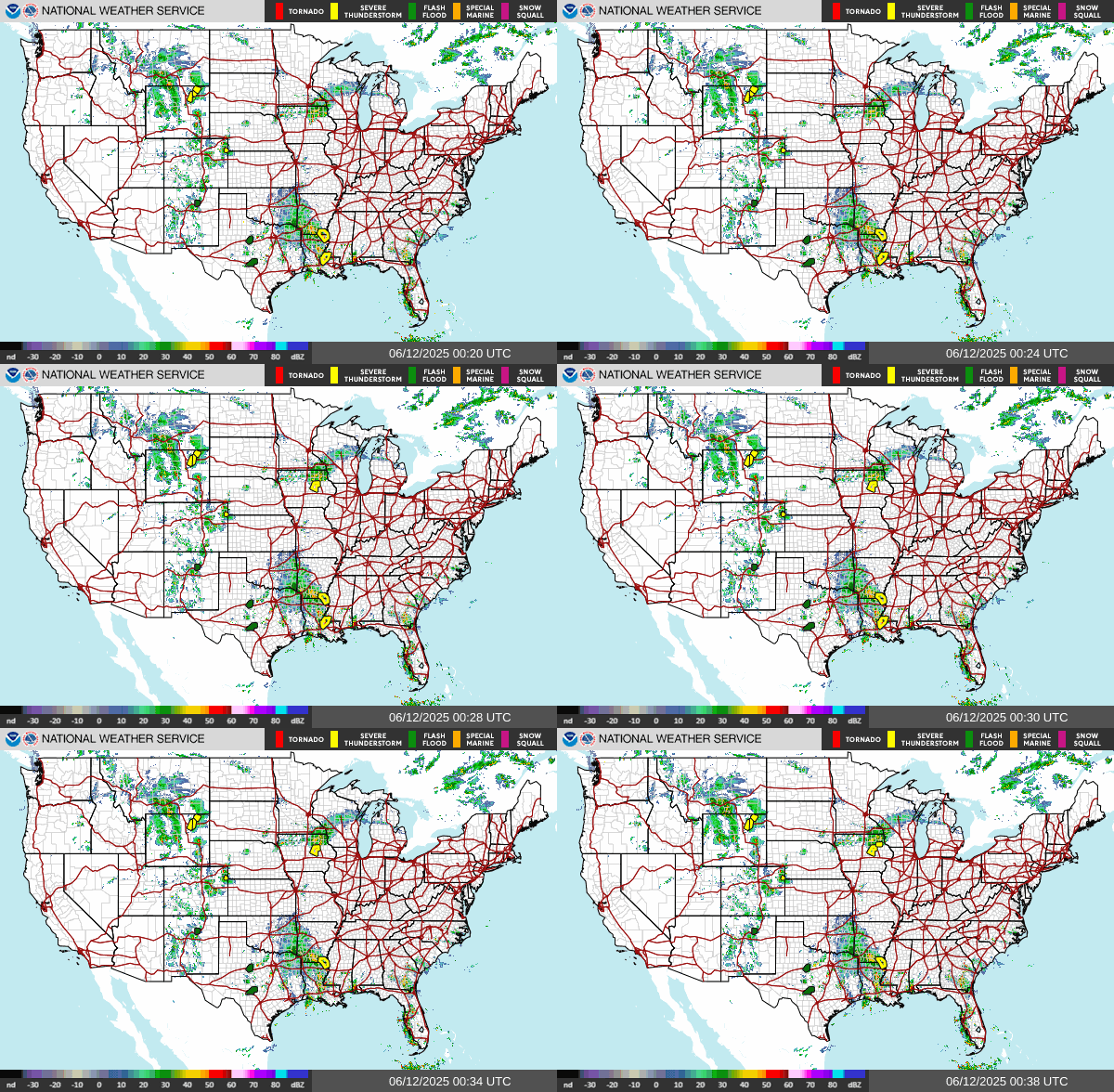
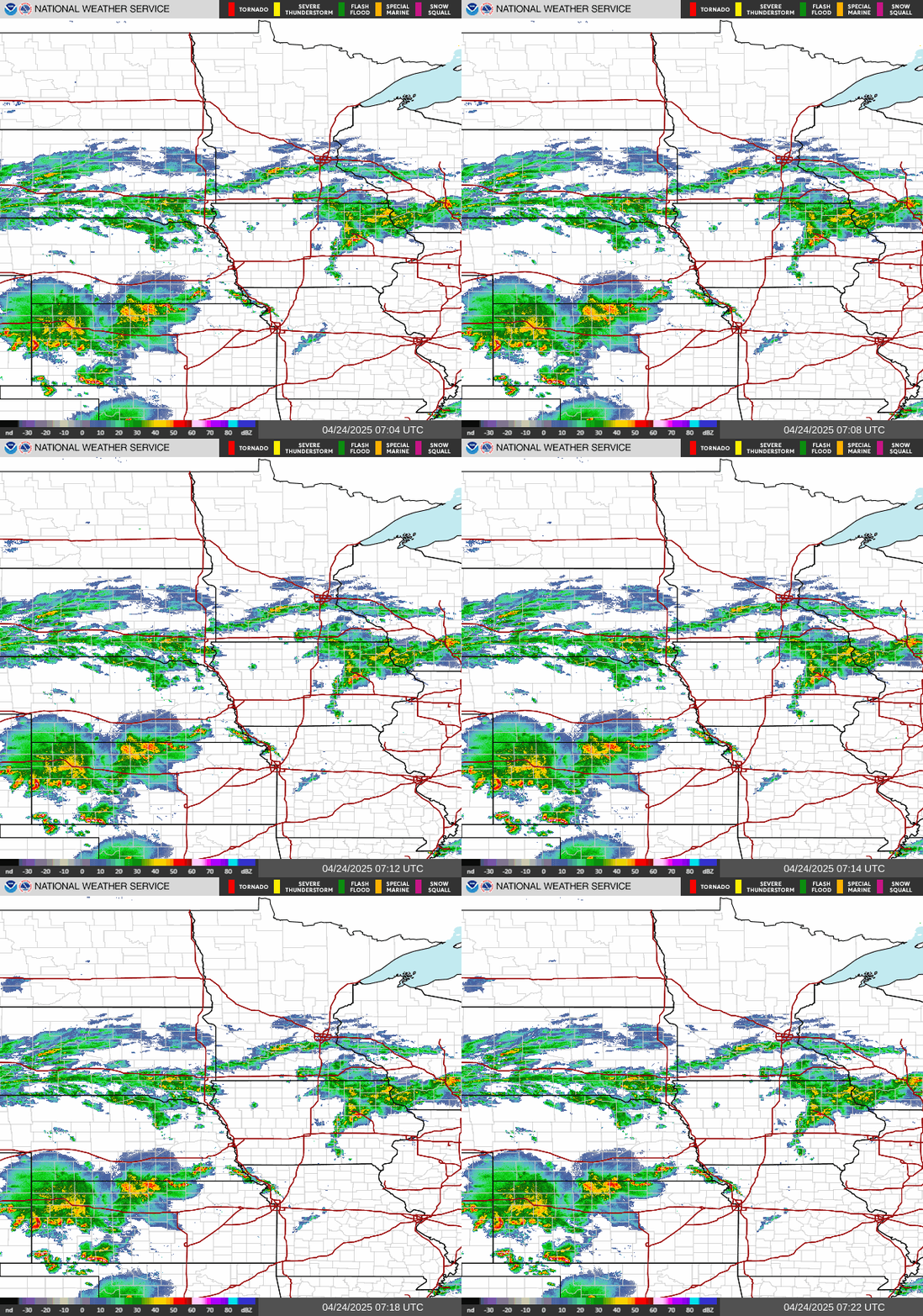
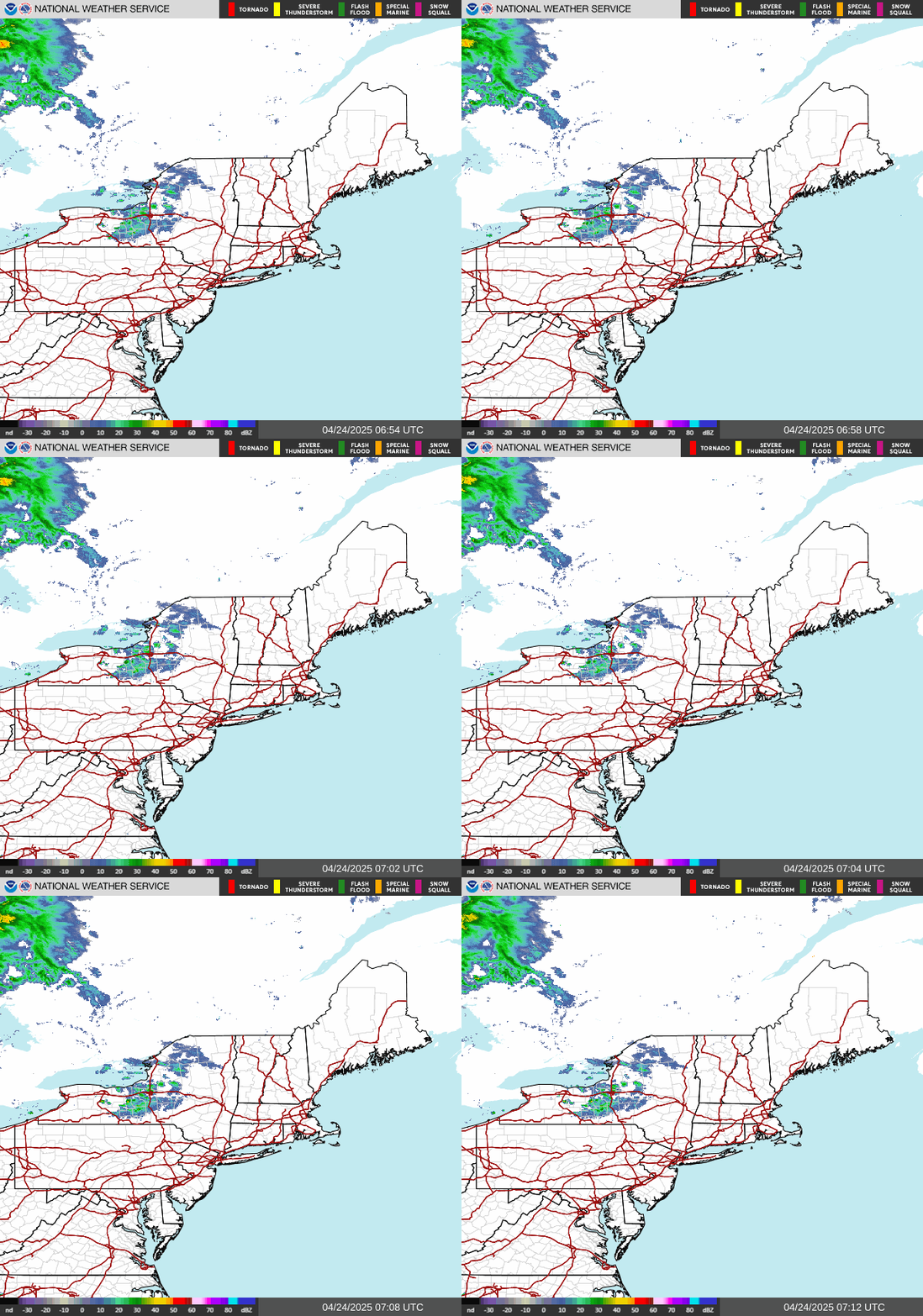
GOES satellite imagery capturing cloud cover, moisture, and convective activity.

NHC track forecasts, storm outlooks, and tropical satellite imagery for active and potential cyclones.

Numerical weather prediction output from GFS, NAM, ECMWF, and other operational models.
Raw GRIB2 data feeds and gridded analysis products for downstream processing.
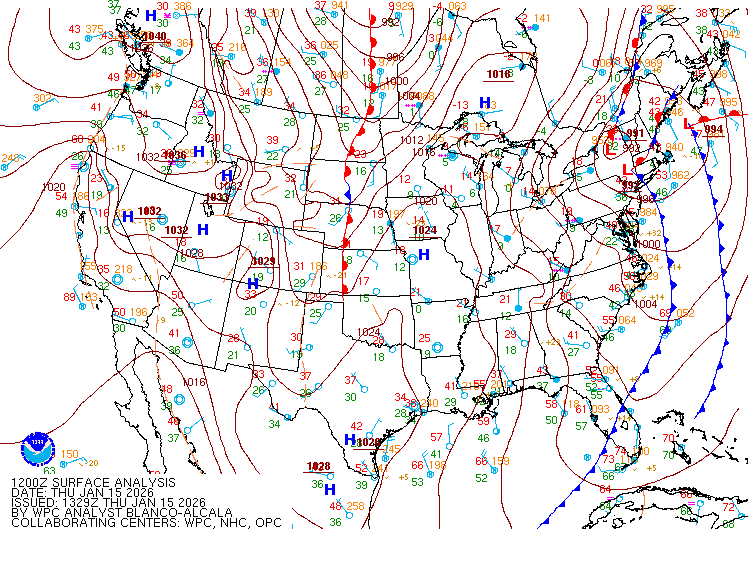
Synoptic surface charts depicting fronts, pressure systems, and analyzed weather boundaries.
Weekly U.S. Drought Monitor classifications and long-range moisture deficit trends.

PJM (PJM Interconnection) — Frequently Asked Questions
Background on the PJM footprint, the weather drivers that shape its grid, and the National Weather Service alerts that signal stress on the system.
All Sources for PJM
We use cookies for analytics and to show ads from Google. You can accept all cookies or reject non-essential ones. See our Privacy Policy for details.