Coverage: Washington, Oregon, Idaho, Montana (western), Wyoming (western/northern), Utah, Nevada, Arizona, New Mexico, Colorado (western), and portions of adjacent states (excludes California, which is CAISO; eastern Front Range CO and southeastern WY transferred to SPP April 2026)
This region encompasses two of the most weather-extreme power territories in the country. The Pacific Northwest (BPA/PACW territory) is dominated by Columbia River hydropower — annual snowpack in the Cascades and Rockies is the single most important energy variable for the region, determining hydro availability months in advance. The desert Southwest (Arizona, Nevada, New Mexico) experiences the nation's most extreme summer heat, with Phoenix regularly exceeding 110°F. The Mountain West sees dramatic diurnal temperature swings (often 30–40°F daily range) that create unique load shape challenges. Wildfires increasingly threaten transmission corridors across the region.
Temperature Forecast
Observed and forecast temperature maps, anomalies, and degree-day accumulations.
Temperature normals based on NOAA 1991–2020 U.S. Climate Normals.
Precipitation Chance
Quantitative precipitation estimates, totals, and probabilistic outlooks across the region.
Data from NWS API. Auto-refreshes every 4 hours. Shows all available forecast days from NWS and extended gridpoint data.
Flood Watch issued September 30 at 5:43AM MDT until October 1 at 12:00AM MDT by NWS Albuquerque NM
Far Northwest Highlands; Tusas Mountains Including Chama; Jemez Mountains; Northern Sangre de Cristo Mountains; Southern Sangre de Cristo Mountains; East Slopes Sangre de Cristo Mountains; Upper Rio Grande Valley; Espanola Valley; Johnson and Bartlett Mesas Including Raton Pass; Far Northeast Highlands; Union County
Expires: 9/30/2026, 9:00:00 PM
Extreme Heat Watch issued September 30 at 3:05AM PDT until October 7 at 9:00PM PDT by NWS San Diego CA
San Diego County Coastal Areas; San Bernardino and Riverside County Valleys-The Inland Empire; San Diego County Inland Valleys; Santa Ana Mountains and Foothills; Orange County Coastal; Orange County Inland
Expires: 9/30/2026, 10:00:00 PM
Flood Warning issued September 30 at 2:31AM MST until September 30 at 11:00PM MST by NWS Tucson AZ
Graham, AZ
Expires: 9/30/2026, 9:45:00 PM
Coastal Flood Advisory issued September 30 at 2:02AM PDT until September 30 at 5:00PM PDT by NWS San Diego CA
San Diego County Coastal Areas; Orange County Coastal
Expires: 9/30/2026, 10:00:00 PM
Flood Watch issued September 30 at 12:33AM MDT until October 1 at 6:00AM MDT by NWS Pueblo CO
Upper Rio Grande Valley/Eastern San Juan Mountains Below 10000 Ft; Eastern San Juan Mountains Above 10000 Ft
Expires: 9/30/2026, 2:45:00 PM
Flood Watch issued September 30 at 12:33AM MDT until October 1 at 6:00AM MDT by NWS Pueblo CO
Del Norte Vicinity/Northern San Luis Valley Below 8500 Ft; Alamosa Vicinity/Central San Luis Valley Below 8500 Ft; Southern San Luis Valley
Expires: 9/30/2026, 2:45:00 PM
Flood Watch issued September 30 at 12:33AM MDT until October 1 at 12:00PM MDT by NWS Pueblo CO
Northern Sangre de Cristo Mountains Between 8500 And 11000 Ft; Northern Sangre de Cristo Mountains above 11000 Ft; Southern Sangre De Cristo Mountains Between 7500 and 11000 Ft; Southern Sangre De Cristo Mountains Above 11000 Ft; Northwestern Fremont County Above 8500Ft; Western/Central Fremont County Below 8500 Ft; Wet Mountain Valley Below 8500 Ft; Wet Mountains between 6300 and 10000Ft; Wet Mountains above 10000 Ft; Teller County/Rampart Range above 7500fT/Pike's Peak Between 7500 And 11000 Ft; Pikes Peak above 11000 Ft; Canon City Vicinity/Eastern Fremont County; Northern El Paso County/Monument Ridge/Rampart Range Below 7500 Ft; Colorado Springs Vicinity/Southern El Paso County/Rampart Range Below 7400 Ft; Pueblo Vicinity/Pueblo County Below 6300 Feet; Walsenburg Vicinity/Upper Huerfano River Basin Below 7500 Ft; Trinidad Vicinity/Western Las Animas County Below 7500 Ft; Crowley County; La Junta Vicinity/Otero County; Eastern Las Animas County; Western Kiowa County; Eastern Kiowa County; Las Animas Vicinity/Bent County; Lamar Vicinity/Prowers County; Springfield Vicinity/Baca County
Expires: 9/30/2026, 2:45:00 PM
Flood Watch issued September 29 at 11:29PM MST until September 30 at 11:00AM MST by NWS Tucson AZ
South Central Pinal County including Eloy/Picacho Peak State Park; Southeast Pinal County including Kearny/Mammoth/Oracle; Upper Gila River and Aravaipa Valleys including Clifton/Safford; White Mountains of Graham and Greenlee Counties including Hannagan Meadow; Galiuro and Pinaleno Mountains including Mount Graham
Expires: 9/30/2026, 6:00:00 PM
Flood Warning issued September 29 at 10:54PM MST until September 30 at 10:45AM MST by NWS Flagstaff AZ
Apache, AZ; Gila, AZ; Navajo, AZ
Expires: 9/30/2026, 5:45:00 PM
Flood Warning issued September 29 at 9:32PM MST until September 30 at 2:00PM MST by NWS Tucson AZ
Greenlee, AZ
Expires: 9/30/2026, 4:45:00 PM
Flood Watch issued September 29 at 10:07PM MDT until October 1 at 6:00AM MDT by NWS Grand Junction CO
Northwestern San Juan Mountains; Southwest San Juan Mountains; San Juan River Basin
Expires: 9/30/2026, 11:00:00 PM
Flood Warning issued September 29 at 5:53PM MST until September 30 at 5:45AM MST by NWS Flagstaff AZ
Apache, AZ; Coconino, AZ; Navajo, AZ
Expires: 9/30/2026, 12:45:00 PM
Beach Hazards Statement issued September 29 at 1:45PM PDT until September 30 at 5:00PM PDT by NWS Los Angeles/Oxnard CA
Catalina and Santa Barbara Islands; Ventura County Beaches; Malibu Coast; Los Angeles County Beaches
Expires: 10/1/2026, 12:00:00 AM
Beach Hazards Statement issued September 29 at 1:45PM PDT until September 30 at 5:00PM PDT by NWS Los Angeles/Oxnard CA
Santa Barbara County Southwestern Coast; Santa Barbara County Southeastern Coast
Expires: 10/1/2026, 12:00:00 AM
Flood Watch issued September 29 at 2:05PM MDT until October 1 at 12:00PM MDT by NWS Denver CO
Southeast Elbert County Below 6000 Feet/South Lincoln County
Expires: 9/30/2026, 12:30:00 PM
Life-safety notice: Weather Workbench is informational only. Always verify life-safety decisions against your local NWS forecast office at weather.gov.
| Metric | Actual | Normal | Departure |
|---|---|---|---|
| CDD | 1895.9 | 1474.5 | +421.4 |
| HDD | 2086.1 | 2439.4 | -353.3 |
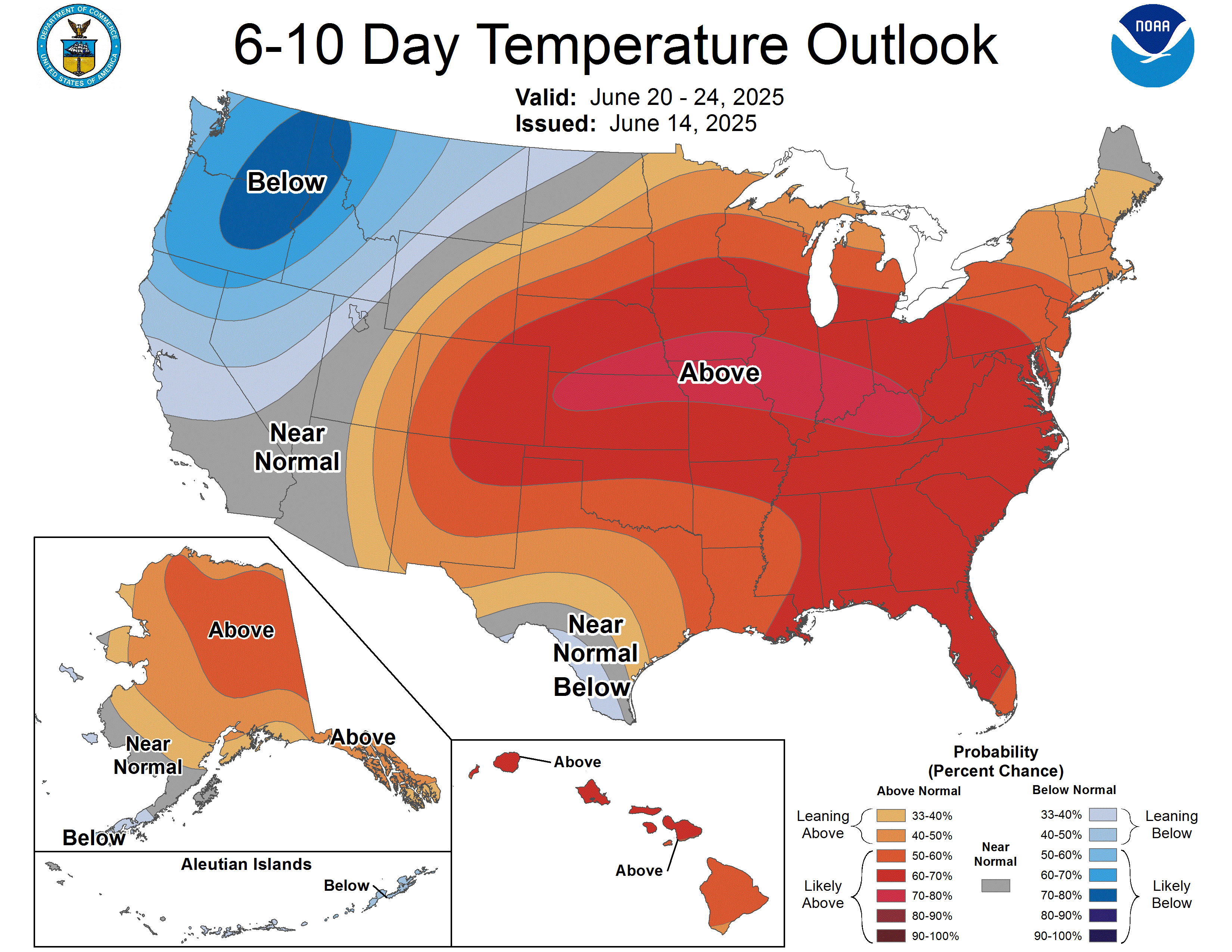
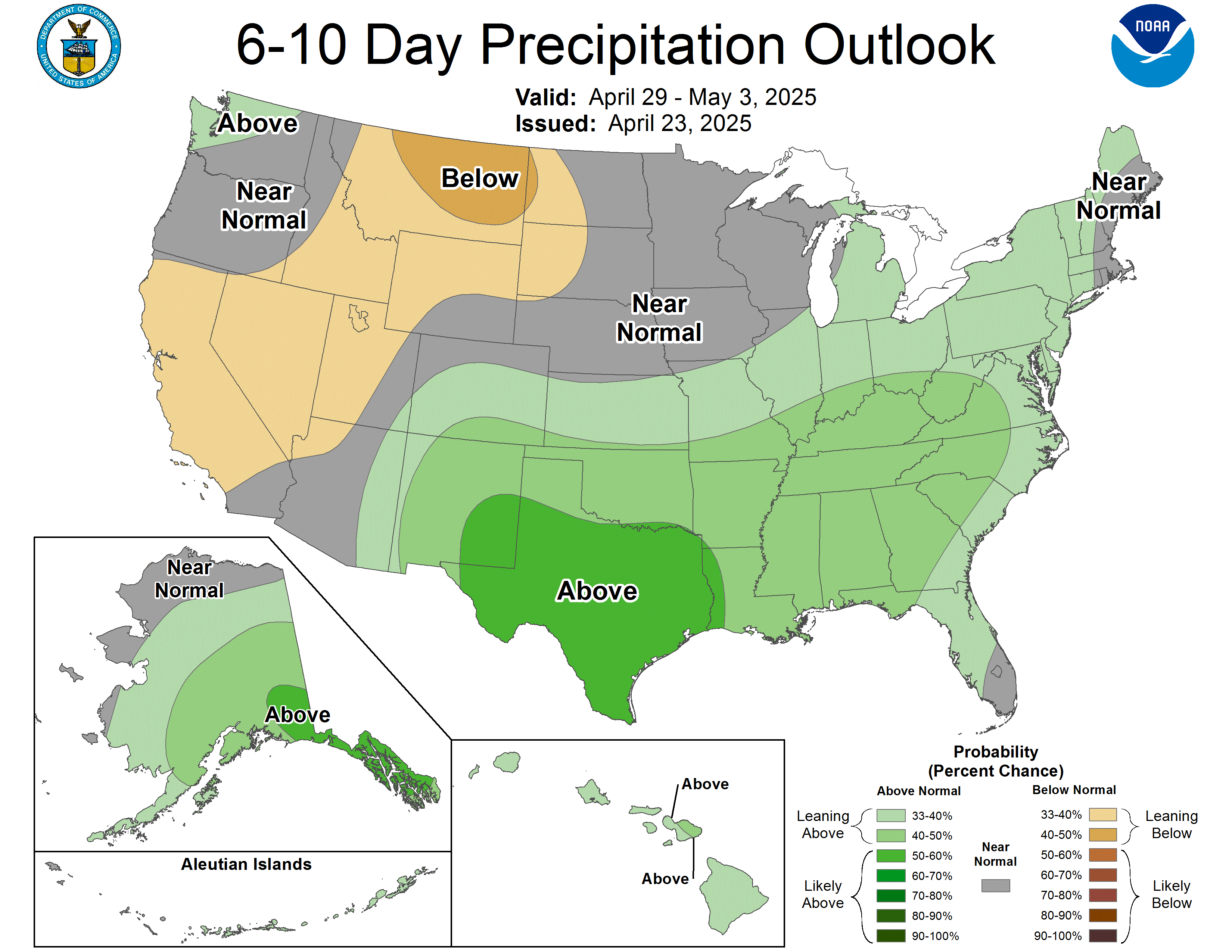
Source: NOAA Climate Prediction Center
Short- and medium-range weather outlooks from official and model-based forecast products.

Live and looping NEXRAD radar imagery showing current precipitation and storm structure.
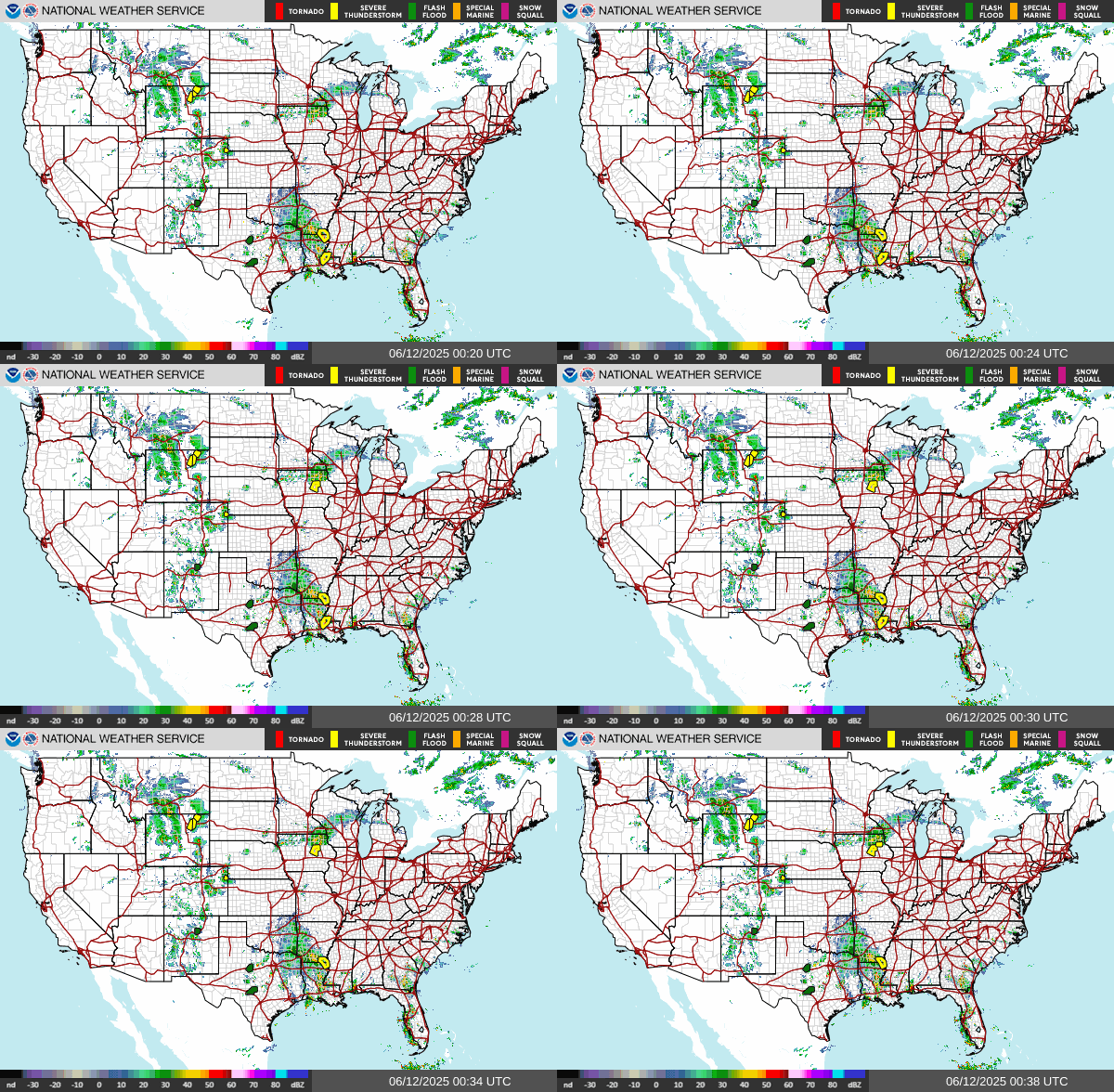
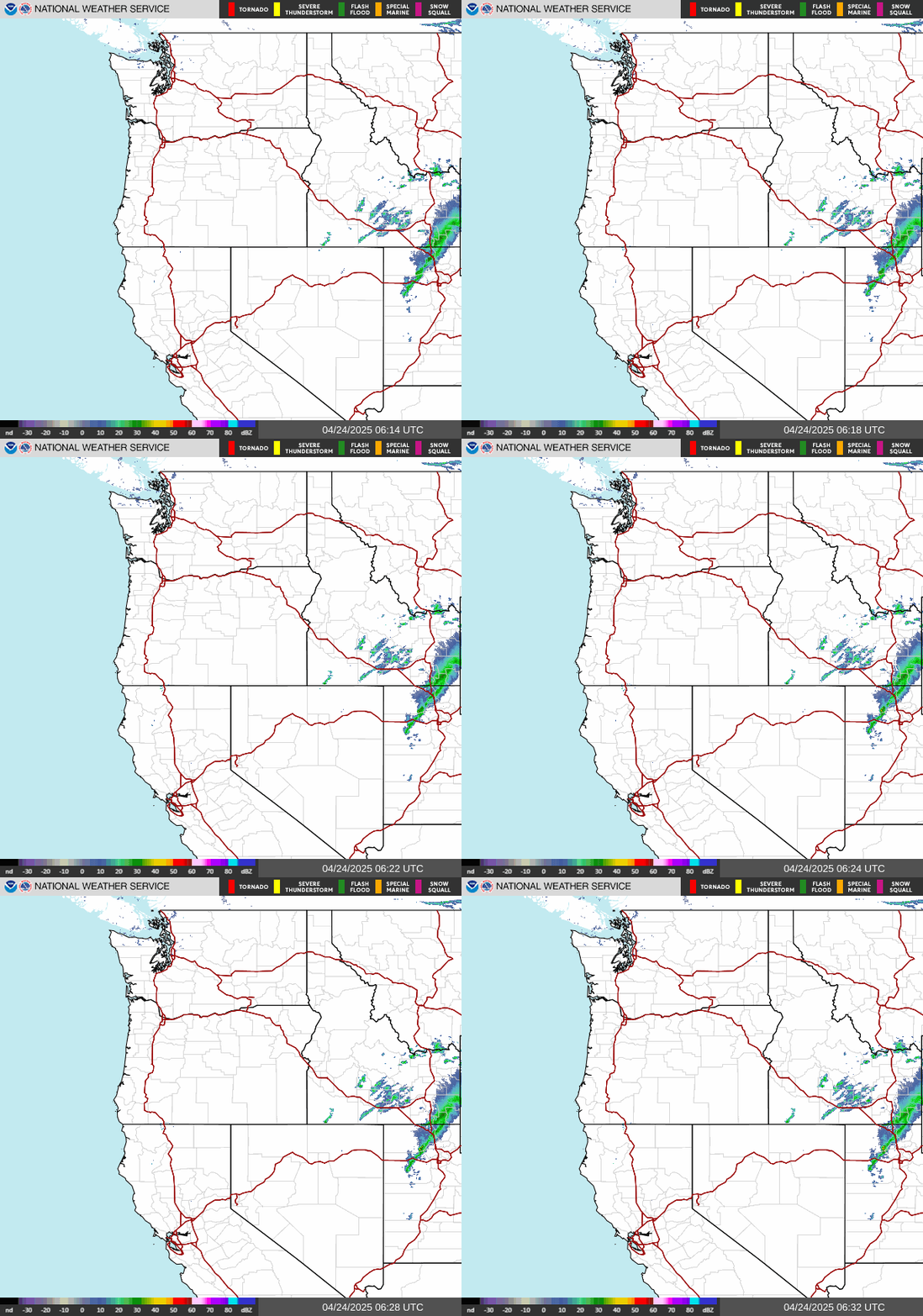
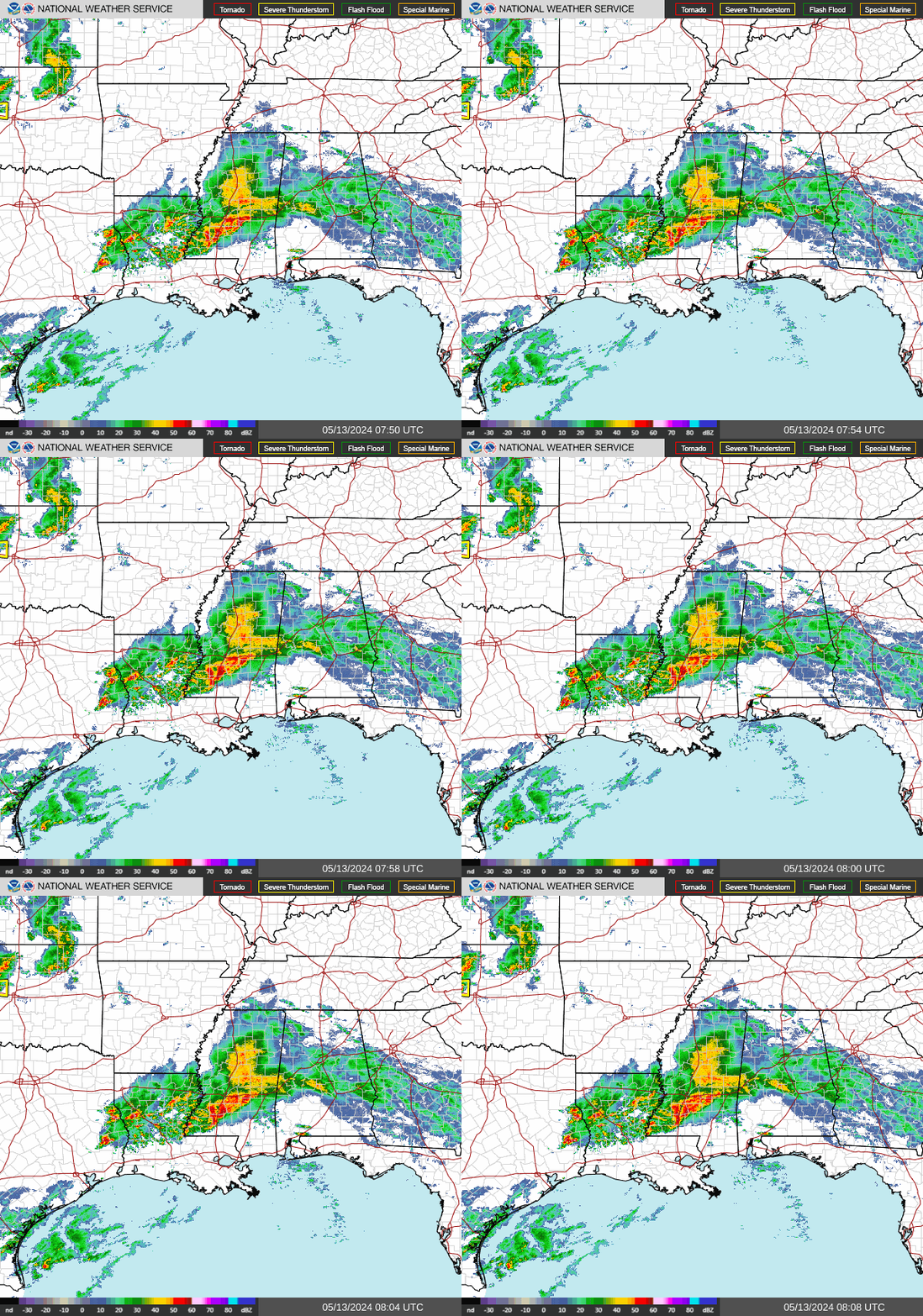
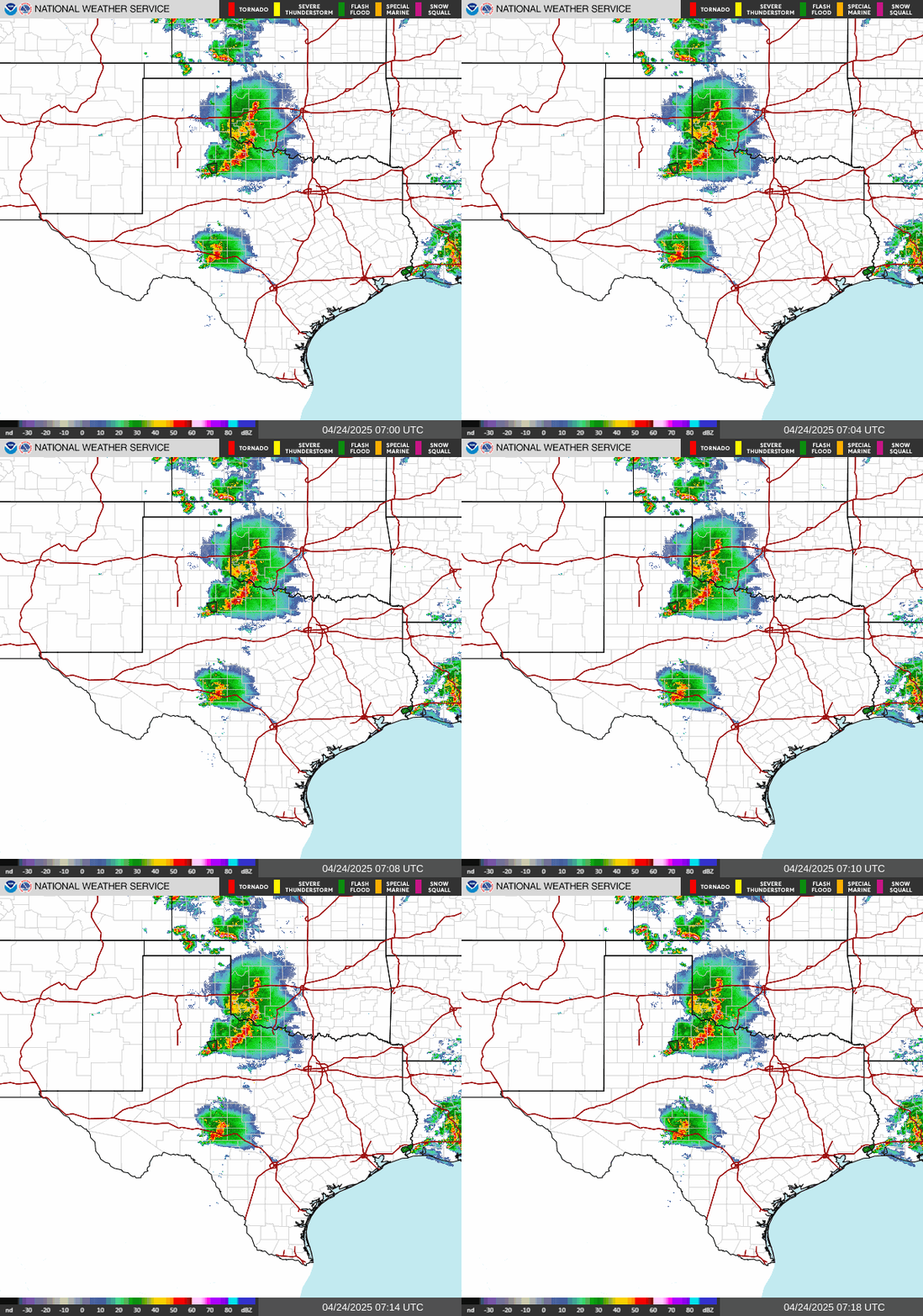

GOES satellite imagery capturing cloud cover, moisture, and convective activity.

NHC track forecasts, storm outlooks, and tropical satellite imagery for active and potential cyclones.

Numerical weather prediction output from GFS, NAM, ECMWF, and other operational models.
Raw GRIB2 data feeds and gridded analysis products for downstream processing.
Synoptic surface charts depicting fronts, pressure systems, and analyzed weather boundaries.
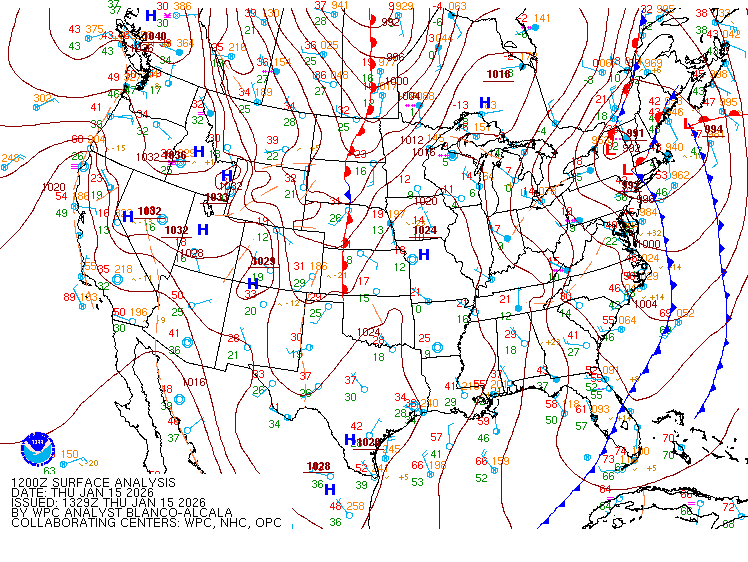
Weekly U.S. Drought Monitor classifications and long-range moisture deficit trends.

WECC (Western Interconnection) — Frequently Asked Questions
Background on the WECC footprint, the weather drivers that shape its grid, and the National Weather Service alerts that signal stress on the system.
All Sources for WECC
We use cookies for analytics and to show ads from Google. You can accept all cookies or reject non-essential ones. See our Privacy Policy for details.